Showing posts with label Fruits. Show all posts

Wednesday, June 29, 2011

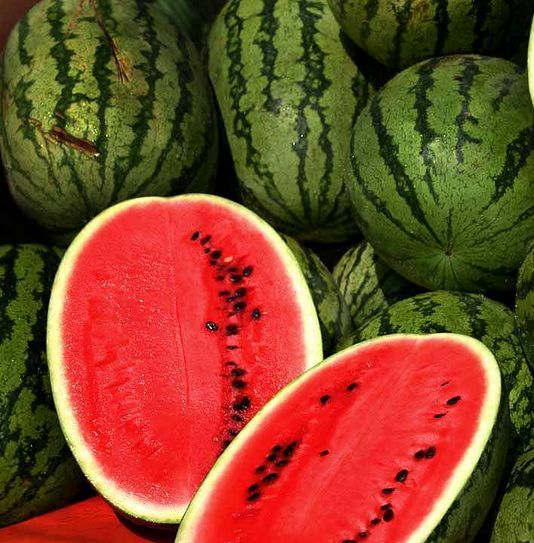
Watermelon


The watermelon, a member of the Cucurbitaceae family which comprises fruits like cantaloupe, pumpkin and similar plants that grow on vines on the ground.

Watermelons can be round, oblong or spherical in shape; light to dark green in color, with white mottling stripes. Its flesh are commonly bright red in color but there are also other varieties where its flesh are dark brown, orange, yellow, pink or even white.

Watermelon is another of my all-time favorite. Not only is it cooling for the body in our tropical climate, it is excellent for flushing out the kidney and bladder, aiding in excretion of waste materials.

As the red watermelon juice can be very sweet on its own, I usually juice them together with the rind as well. Rind is the whitish green part of the watermelon, between the skin and the red flesh. This part of the fruit contains the highest level of quality minerals and chlorophyll, and should not be discarded.


Nutritional Benefits
The water content in watermelon is extremely high at 92%. It is rich in beta-carotene, folic acid, vitamin C, vitamin B5 and smaller amounts of B1, B2, B3 and B6.

This big fruit is a rich source of essential minerals like calcium, magnesium, phosphorus, potassium, sodium and smaller amounts of copper, iron and zinc.

As in tomatoes, watermelon is loaded with lycopene, the red carotenoid pigment that gives it the red color. This important anti-oxidant is powerful in neutralizing harmful free radicals in our body.

Health Benefits
Watermelon is basically very cleansing, alkalinizing, diuretic and mineralizing. It is very effective in promoting intestinal elimination, keeping the body free from toxic wastes.Its juice is easily digestible and are completely absorbed for all its minerals, providing much needed nutrients to the body.

The alkalinizing effect maintains the acid-alkaline balance in the body, neutralizing the toxic condition of the body resulting from excessive intake of acid-forming foods.Drawing from the rich anti-oxidant and beta-carotene, the health effects of watermelon juice are immense.

Asthma: The powerful anti-oxidant in watermelon reduces toxic matters in the body, that in turn reduces asthma attacks.

Arthritis: The rich beta-carotene and vitamin C content in this big fruit do wonders in quenching inflammation that contributes to conditions like osteoarthritis or rheumatoid arthritis.

Bladder problems: Its cleansing and natural diuretic effect is totally healing for kidney and bladder problems

Cholesterol: Watermelon juice is healthful in preventing cholesterol from clogging arteries and can increase HDL, the good cholesterol, reducing the risks of cardiovascular diseases.

Constipation: Drink a big glass of watermelon juice. It is very effective in aiding the elimination of wastes. Consuming plenty of this red juice will do a lot of good.

Fluid retention: Its diuretic action helps to eliminate excess fluids from the body, reducing water retention, especially for women during their monthly menstruation cycle and in pregnant women.

Heart attack
: The combination of folic acid and the other essential vitamins in this fruit plays an important role in reducing the risks of heart attacks, strokes and colon cancer.

Itchiness: As watermelon juice cleanses the body of toxic wastes, it also greatly reduces itchiness that result from toxicity of acidosis.

Prostate Cancer: Lycopene (from red watermelons) has been extensively researched for its anti-oxidant and cancer-preventing properties. It is reported to be especially protective against prostate cancer.

Skin Blemish: Use watermelon externally by applying a small piece liberally on your face. Leave for ten minutes, then wash off with warm water, followed by a splash of cold water.
Read more »

Strawberry

Strawberry is the most popular type of berry anywhere in the world.  There are hundreds of varieties of strawberries that vary in size, color, taste and texture.  But they all basically have the same characteristic heart shape and red flesh with seeds on the surface.

Although the strawberry is usually referred to as a fruit, it is actually an accessory or false fruit, since its red fleshy part doesn’t develop from the flower’s ovary, but is derived from the non-reproductive parts of the flower. The real fruits are achenes, the minute hard seeds of varying color (yellow, green or red), embedded in the strawberry surface.

Ripe, fresh strawberries are sweet and juicy. They can be eaten as they are, used to garnish a variety of sweets and desserts, or enjoyed as delicious refreshing juice and smoothies.

Nutritional Benefits
Strawberries are packed with a variety of anti-oxidant substances, including the flavonoid anthocyanidins (which gives the fruit its characteristic red color), vitamins C, E and beta-carotene.

They are also rich in dietary fiber, flavonoids, potassium, folic acid, vitamins of the B complex (B2, B5, B6), biotin, manganese, iodine and zinc;  and very low in protein, sugar and calories, and virtually devoid of fat and cholesterol.

Health Benefits
Strawberry is a highly nutrient dense fruit, with such huge amount of healthy substances that they are included in the list of so-called “superfoods”, tasty and packed full of nutrients.

Anti-anemic:  Strawberries can help prevent and fight certain types of anemia, due to their high content in folic acid, which is essential for the synthesis of hemoglobin, the protein in red cells responsible for carrying oxygen throughout the body.

Anti-cancer:  Strawberry is included in the list of top "superfoods" that help lower cancer death rates.  This is because of the very high content of various anti-oxidants with flavonoids that work synergistically and more powerfully against oxidation and preventing damages caused by free radicals in our body.

Anti-coagulant:  Strawberries contain moderate amount of acetylsalicylic acid, the same active ingredient found in aspirin. Although the amount of acetylsalicylic acid found in strawberries is not enough to relieve influenza symptoms, it can be actually helpful to thin blood and prevent blood clots formation, thereby reducing the work of the heart and improving its function.

Anti-inflammatory:  Anthocyanidin is a unique flavonoid that makes strawberries a very powerful protector against inflammatory conditions such as asthma, gout, artherosclerosis, arthritis and rheumatoid arthritis.  At the same time it protects against intestinal bleeding.

Brain and mental health:  It has been shown that, besides having an anti-anemic effect, folic acid found in strawberries can help improve memory, concentration and the brain’s ability to process information. It is also essential for preventing brain defects in babies during pregnancy.

Digestive health:  Due to their high content in vitamin C, strawberries stimulate the secretion of salivary and gastric juices, thereby improving the digestion of starchy and protein foods. In addition, fiber contained in strawberries effectively reduces constipation and cleans the colon, with a beneficial detox effect for the body.

Diuretic:  The high content in potassium found in strawberries enhances diuresis, which contributes to detoxifying the body, as well as regulating blood pressure.

Heart health:  Anti-oxidants found in strawberries, and especially vitamin C and anthocyanidins, may help protect arteries from damage, as well as preventing the formation of blood clots within blood vessels.

Immune system:  Strawberries are very rich in vitamin C, which plays a key role in enhancing immune system function, as well as in preventing and fighting infectious diseases such as flu and cold.

Mood:  Eating strawberries and drinking strawberry juice stimulate the release of serotonin, which improves mood and is responsible for a feeling of relaxation and a general sense of well-being.
Read more »

Pineapple

 It resembles a large, pinecone, hence its name.  Its shape is oval to cylindrical with a tough, spikey, waxy rind.  Its tough skin has many hexagonal sections (fruitlet) that looks like scale.

On top of the fruit is a "crown" of thick pointed leaves with spines along the edges. Be very careful when handling this part of the pineapple!

When ripe, its flesh is yellowish in color and gives out a nice fragrant aroma.  It is a very fibrous fruit, is sweet with a tinge of acidic taste to it.

Pineapples do not ripen much more once harvested, so it must be harvested when it is ripe, and quickly distributed to the consumer.  This is why pineapples are commonly canned so that they last a little longer.  (But please avoid canned pineapples as these are usually soaked in sugar water!)

Nutritional Benefits
Pineapple is loaded with vitamin C, B1 and smaller amounts of B2, B3, B5 and B6.  It is also an excellent source of manganese, copper, magnesium, potassium, beta-carotene, folic acid, and dietary fiber.

Perhaps, the most outstanding feature of pineapple is its amount of bromelain content. Bromelain is an enzyme that has many uses for our body.

Bromelain in pineapple has the special ability to help our body balance and neutralize fluids so that it's neither too alkaline nor too acidic.  It also stimulates hormonal secretions in the pancreas that aids digestion.

Health Benefits
Bromelain in pineapple is a protein-digesting enzyme which also effectively reduce inflammation and swelling.  So drink fresh pineapple juice and say goodbye to all your pains.

Digestion:  After a heavy meaty meal, drink pineapple juice, as the protein-digesting enzymes help do the extra work of digesting for you.

Inflammatory conditions:  As pineapple juice causes an anti-inflammatory effect, drinking this yellow juice can relief sufferers of much pain in the following inflammatory conditions:
  •     Carpal tunnel syndrome
  •     Gout
  •     Rheumatoid arthritis
  •     Osteoarthritis
  •     Injuries
  •     Surgeries
  •     Etc.
Respiratory conditions:  Bromelain helps to break down and dissolve excessive mucus, providing much relief to sufferers of asthma, bronchitis, pneumonia and sinusitis.  It would also help tremendously if you reduced your intake of harmful foods, as mucus are formed mostly from consumption of these foods.

Sore Throat:  Drinking pineapple juice significantly reduces the soreness and redness in the throat.
Read more »

Papaya


Christopher Columbus called papaya the "fruit of the angels". He noticed that the Caribbean natives ate the fruit after  huge meals and never encountered any digestive distress.  And they were 'strong'.
Papayas are shaped like elongated melons or pears.  The flesh is deliciously sweet with a musky undertone, and its texture has a soft melting quality.  Ripe papaya flesh is a rich orange color with either yellow or pink hues.

The inner cavity contains a wealth of black round seeds, encased in a gelatinous-like substance.  Some sources say that these seeds can be used as a black pepper substitute when ground, or that they have a deworming effect.
I advise that the seeds are not to be consumed as it is known to contain a toxic substance called carpaine.  Carpaine, when consumed in large quantities, may lower the pulse rate and depress the nervous system.

Nutritional Benefits
The nutritional highlight of papaya is a proteolytic enzyme called papain which is an excellent aid to digestion.  This enzyme is so powerful that it is said to digest an amazing 200 times its own weight in protein.  It assists our body's own enzymes in assimilating the maximum nutritional value from the food we eat.

Papain can be made into an immediate home remedy treatment for jellyfish sting or other wounds, even surgical wounds.  The highest concentration of this substance is on the skin of unripe papayas.  Cut the skin and apply it directly to the affected area.

Papaya is a wholesome fruit, another of my favorite.  It is a rich source of anti-oxidant nutrients such as beta-carotene (which is what gives it the orange color; green papaya does not contain this carotene), vitamin A and C and flavonoids, B vitamins, folate and pantothenic acid.

It also contains small amounts of of the minerals calcium, chlorine, iron, phosphorus, potassium, silicon and sodium.

The carbohydrate content in papaya is mainly of invert sugar which is a form of pre-digested food.  The ripe papaya is endowed with an abundance of energy-boosting natural sugars.


Health Benefits
The papaya has remarkable medicinal virtues recognized from ancient times.  It is not a commonly allergenic food.  Being one of the most easily digested fruits, it is an excellent wholesome food for young to old, a rejuvenating choice.

The health benefits of papayas are too many to mention, but here is a list of cures for some of the more common ailments:

Anti-Inflammatory:  The anti-inflammatory virtue from the papain in papaya greatly reduce inflammation in diseases such as rheumatoid arthritis, osteoarthritis, gout and asthma.

Colon Cancer, Prevention Of:  The rich fiber in papaya bind to cancer-causing toxins in the colon and is eliminated from the body during bowel movements.

Digestive Aid:  Papaya is commonly known for its fine and natural laxative virtue which aids digestion.  Taken regularly, it can help habitual constipation, bleeding piles and chronic diarrhea.

Emphysema, Protection Against:  If you are a smoker, or are frequently exposed to secondhand smoke, consume papaya juice regularly for its high vitamin A content.  This may save your life as it will highly reduce your lung inflammation.

Heart Disease, Protection Against: 
The three very powerful anti-oxidants in papayas help prevent the oxidation of cholesterol.  Oxidized cholesterol forms dangerous plagues that can eventually cause heart attacks or strokes.

Intestinal Disorders:  The papain in unripe papaya is extremely beneficial for those who are deficient in gastric juice, have excess of unhealthy mucus in the stomach, dyspepsia and intestinal irritation.

Menstrual Irregularities:  Consumption of unripe papaya juice help to contract the muscle fibers of the womb, resulting in proper and regular menstrual flow.  It is especially helpful in cases of menstruation cessation in young ladies due to cold or trauma.

Skin Diseases:  The juice from unripe papaya is highly beneficial in treating skin disorders like acne and psoriasis.  When applied to wounds, it prevents pus formation and swelling.  Paste made from unripe papaya when applied to the face, may remove pigmentation or brown spots, and making the skin smooth and delicate.  Try it.

Spleen Enlargement:  Immerse cut ripe papaya in vinegar for a week, then consume twice a day with meals until spleen is normalized.

Throat Disorders:  Drink honey mixed in fresh juice from unripe papaya regularly over inflamed tonsils for diphtheria and other throat disorders.  It dissolves the membrane and prevents infection from spreading.
Read more »

Lime/Lemon


Lime and lemon add refreshing zest to almost any drink which cleanse and enhance immune properties of your already healthy glass of juice.

Lime: The lime is a small citrus fruit, like a small orange, with skin and flesh that are green in color.  It is round with a diameter of about one to two inches.  Most limes are sourish and have an acidic taste, but when consumed is really alkaline.

Lemon:  The lemon is a small, oval fruit which is approximately two to three inches in diameter.  Its outer peel is bright yellow in color and contains essential oil that is mainly limonene.  Like the lime, lemon has a sourish and acidic taste, but when consumed has an alkaline effect in the stomach.

Nutritional Benefits
The nutritional benefits of limes do not differ very much from those of lemons.  They are both excellent sources of vitamin C, B6, potassium, folic acid, flavonoids and the outstanding phytochemical, limonene.

Limonene have anti-cancer effects and help increase the level of enzymes that detoxify carcinogens.

Health Benefits
Limes and lemons contain outstanding phytochemicals that are high in anti-oxidant and anti-cancer properties.  They are potent detoxifiers with anti-biotic effect that is protective against bacterial poisoning.

Asthma:  Take a tablespoon of lemon juice at least one hour before each meal to relieve asthma.

Burning soles/feet: Rub a sliced lemon over the burning sole/foot/heel to relieve from pain and for toxin elimination through the pores of the feet.

Cholera:  The potent anti-viral properties in lime/lemon  can kill cholera bacilli within a very short period of time.  Drink one part juice and one part water regularly, especially during an epidemic.

Cold:  The anti-viral properties in lime/lemon fight infections and halt the progress of a cold.  Take the juice of two lemons in half a liter of hot water and add raw honey to taste.  Sip it slowly before bedtime.

Constipation:  Drink a glass of warm water every morning with some lime/lemon juice with raw honey.  Stir in a pinch of cinnamon powder.  This will help your body to detoxify and relieve constipation.

Digestion:  Lime/lemon juice have amazing digestive qualities that are very similar to our digestive enzymes.  Thus it is effectively helps with digestion and relieve bloating and belching.

Feet, tired:  After a long day on your feet, soak your feet in very warm water containing lime/lemon juice to enjoy the cooling, astringent feeling.  This will also help promote deep sleep due to the relaxing action on the foot nerves.

Gums, swollen:  Drink a glass of diluted fresh lime juice with a pinch of sea salt to relieve the pain of swollen gums.  Use the albedo (the white matter under the peel) from the squeezed lime and rub on the gums.

Heartburn:  Add two teaspoon of concentrated lime/lemon juice into a glass of warm water and drink to relieve heartburn.

Inflammatory disorders:  Even though lime/lemon juice are sour and taste acidic, it is actually very alkalinizing in the body and is highly effective in the treatment of inflammatory disorders like rheumatism, arthritis, sciatica, etc.  It also prevents the deposit of uric acid in the tissues, thus reducing the risks of gout.

Skin, dry:  Rub the peel of a lemon on dry or scaly skin to restore softness and add moisture to the skin.

Sore throat:  Mix one part lemon juice with one part water.  Gargle frequently and feel its soothing effect on the throat.  You may also add in a pinch of sea salt for added effect.
Read more »

Guava


Guava is a tropical fruit and is seldom mentioned when we talk about nutrition.  I don't really fancy this fruit because its flesh is hard but its nutrition is immense.  I tried juicing it once with my centrifugal juicer and it broke my juicer.  That's how hard this fruit is.  But when done properly, the juice is amazingly healthful.

Guava fruits may be round, ovoid or pear-shaped.  The better varieties are soft when ripe, some crunchy in texture with edible rind and seeds.  The varieties may come in white, pink, yellow and even red.  Its small seeds range between 100 and 500 per fruit.

Nutritional Benefits
Guava has an incredibly high content of vitamin C.  In fact, one guava fruit contains four times more vitamin C than an average-sized orange;  and ten times more vitamin A than a lemon!

Guava is an excellent source of fiber, almost 70 times more fiber than can be found in an orange!  Other key nutrients are vitamins B2 and E, calcium, copper, folate, iron, manganese, phosphorus and potassium.

Health Benefits
The high content of vitamin C (ascorbic acid) in guava makes it a powerhouse in combating free radicals and oxidation that are key enemies that cause many degenerative diseases.

Cancer:  The anti-oxidant virtue in guavas are believed to help reduce the risk of cancers of the stomach, esophagus, larynx, oral cavity and pancreas.

Cholesterol:  The vitamin C in guava makes absorption of vitamin E much more effective in reducing the oxidation of the LDL cholesterol and increasing the (good) HDL cholesterol.

Constipation:  The fiber in guavas promote digestion and ease bowel movements.

Diverticulitis: The insoluble fiber is beneficial in preventing and treating diverticulities.

Heart disease:  Eating guava or drinking guava juice regularly helps keep heart disease at bay.

Vision:  The high content of vitamin A in guava plays an important role in maintaining the quality and health of eyesight, skin, teeth, bones and the mucus membranes. 
Read more »

Cranberries


Cranberries are the fruit of a low woody shrub of the genus Vaccinium, which grows naturally in mountain woods. Today cranberries are mostly cultivated and mechanically harvested for commercial purpose.

One of the cousins of blueberry, cranberry is a small, round fruit with a rather bitter or acidic flavor. The color varies from white to brilliant red depending on when cranberries are harvested. Specifically, white cranberries are simply regular cranberries which are harvested early, before they turned to red.

Cranberries can be eaten fresh or after being deep-frozen.  In fact, report shows that frozen-thawed cranberries give better yield in terms of its taste, nutritional values and juice amount. They can be eaten as they are, or used to prepare jams, jellies, syrups or fresh, healthy juices.

Nutritional Benefits
According to several research studies, cranberries are one of the foods with the highest anti-oxidant content, since they are an excellent source of phytonutrients anthocyanins, proanthocyanidins, resveratrol and tannins that give cranberries the blue, purple and red pigments.  It is rich in vitamins A, C and E;  and is also a good source of selenium, manganese and copper, just to name a few important trace minerals.

They are rich in organic acids (such as malic, succininc and citric acids) and soluble fiber (pectin), and also provide moderate amounts of the B vitamins, folic acid and iron.


Health Benefits
Besides their nutritional and refreshing properties and their anti-oxidant potential, cranberries have also astringent, anti-diarrheal, anti-septic, diuretic and detoxifying properties that make them a true curative food. Cranberries are recommended in the following cases and circumstances:

Anti-aging:  Several aging-related conditions, such as degenerative disorders of many organs and tissues and certain types of cancer, are associated with cellular damage from free-radicals. Due to their high content in anti-oxidants, cranberries can help prevent and fight such free radical-induced damages and hence protect the body against the risk of developing aging-related diseases and conditions.

Anemia:  Cranberries are an excellent source of vitamin C (which enhances the intestinal absorption of iron) and also contain moderate amounts of iron and folic acid, which are essential for the synthesis of hemoglobin and the maturation of red cells. This is why cranberry juice can be a great aid in the prevention and treatment of many different types of anemia.

Atherosclerosis and cardiovascular disease:  The anti-oxidants found in cranberry juice can help prevent the oxidation of LDL-cholesterol, which is one of the first step involved in the formation of atherosclerotic plaques. It is well known that atherosclerosis is one of the leading cause of cardiovascular disease, stroke and heart attack. Therefore cranberry juice can be used as an effective preventive remedy against these conditions.

Diarrhea:  Cranberries can help control and combat different types of diarrhea, especially those caused by alteration in the intestinal flora which allows E. coli bacteria to grow without control and release toxins responsible for water accumulation in the intestine and hence diarrhea. The anti-diarrheal effect of cranberry juice is due to its antiseptic properties, as well as to its content in tannins and anthocyanins which prevent the bacteria from adhering to the intestinal walls and then grow and proliferate.

Digestive disorders:  Due to their content in organic acids, cranberry juice can help stimulate the secretion of saliva and gastric juice, which contain the enzymes responsible for digestion of starch and proteins.

Eyesight:  Although cranberries are less effective than blueberries in preventing and treating eye conditions, they are also helpful.  In addition, anthocyanins act on eye’s capillaries by improving the blood flow to the retina, thereby helping to improve sight and treat certain types of retinal degeneration.

Kidney stones formation, prevent:  Cranberry juice helps excrete oxalic acid and uric acid from the kidneys.  It contains quinic acid that is useful to prevent kidney stones formation in kidneys.

Probiotic:  Cranberries is an anti-biotic and also a probiotic.  It has the ability to kill certain viruses, bad bacteria and pathogens;  while acting as a natural probiotic to help breed the good bacteria.  This promotes a healthy intestinal flora.

Skin conditions and disorders:  The topical application of certain cranberry formulations in form of lotion or cream can help prevent and treat skin irritations, eczema, couperose, as well as many other skin conditions associated with weak capillaries.

Venous disorders:   It has been shown that anthocyanins found in blueberries and, at a lesser extent in cranberries, help protect and strengthen the walls of veins and capillaries, thereby improving the symptoms of varicose veins and swollen legs.

Urinary tract infections:  Fresh cranberry juice is particularly helpful to remedy and prevent urinary tract infections, especially cystitis (bladder infection) from E. coli by "stripping" off the bacteria from adhering to the walls of the urinary tract and then proliferate.
Read more »

Cantaloupe


The cantaloupe is also widely called the muskmelon, I suppose for the musky aroma that it gives out when ripe. In some parts of the world, it is also known as the rockmelon, perhaps for its rough skin that looks like a rock.It belongs to the "curcurbitaceae" melon family, along with cucumbers, gourds and pumpkins.

The cantaloupe is shaped round and sometimes oval with skin that looks like it's being wrapped in a net.
The yellow-orangey colored flesh is soft, succulent and sweet.  Its texture is very much like that of the honeydew. Although available throughout the year, cantaloupes are at their best in its season sometime from June to September.

Nutritional Benefits
Cantaloupe is one of the most common fruits but its full health benefits may not have been fully understood, and often taken for granted.  It is extremely nutrient-packed but yet has very low calories.

This wonder fruit is highly concentrated with excellent levels of beta-carotene, folic acid, potassium, vitamin C and dietary fiber.  It is also one of the very few fruits that has a high level of vitamin B complex¾B1 (thiamine), B3 (niacin), B5 (pantothenic acid), and B6 (pyridoxine).

Cantaloupe is rich in anti-oxidants that can help prevent cancer and heart diseases.

Health Benefits
The high amount of beta-carotene and vitamin C (anti-oxidant) in cantaloupe makes it an excellent fruit in helping to prevent many degenerative diseases.  I get excited just thinking how much more my body can absorb these precious nutrients when I drink of its juice.

Anti-coagulant:  A unique compound in cantaloupe helps decrease the viscosity of the blood, hence preventing the abnormal formation of blood clots in the cardiovascular system.

Arteriosclerosis:  Regularly consuming vitamin C retards the development of hardening of the arteries.

Cancer prevention:  The high vitamin C content acts as a good anti-oxidant that protects cells from damages by free radicals.  Regularly drinking juices high in anti-oxidants keep cancer at bay, especially against intestinal cancer and melanoma.

Cataracts:  The natural vitamin A from beta-carotene in this juice lowers the risk of cataract and generally helps improve your vision too.

Cholesterol:  Drinking juices high in anti-oxidant has been proven to fight the oxidative stress that is the main culprit in oxidizing the LDLs in the blood.

High blood pressure:   Potassium in this rockmelon helps excrete sodium, thus bringing down high blood pressure especially in those with salt-sensitive hypertension.

Immune system:  The strong content of vitamin C stimulates white cells to fight infection, naturally building a good immune system.

Insomnia:  A special compound in cantaloupe relieves the nerves and calm anxieties.  A help for insomniacs.

Menstruation problems:  For women, drink this wonder juice around the time of menstruation and it will help reduce heavy flow and clots.

Muscle Cramps:  A deficiency in potassium can cause muscular cramps and greater susceptibility to injury. Drink cantaloupe juice to prevent these.

Pregnancy:  The high content of folate (folic acid) prevents neural tube defects in infants.

Quit Smoking:  The natural nutrients and minerals found in this juice provides a synergistic combination that helps the body recover from nicotine withdrawal of one who is trying to quit smoking.  Smoking also quickly depletes the vitamin A in a smoker, but cantaloupe juice can help replace it with its beta-carotene.

Stress:
  When going through a stressful period, keep this musky melon on the side and drink its juice regularly.  The potassium content helps to rebalance and normalize the heartbeat. This in turn sends oxygen to the brain and regulates the body's water balance.

Water retention:  Especially in pregnant women.  Muskmelon juice helps your body excrete excess sodium, thus reducing water retention.
Read more »

Apricot


The apricot is a stone fruit with a seed nut within it. Its shape is similar to that of the peach but slightly smaller, with skin that is velvety and golden orange in color.
Apricot is not suitable for juicing but can be blended to be mixed with other juices.  The fresh fruit tastes smooth and sweet, with a flavor that is a cross between a peach and a plum.
An apricot in its raw state is somewhat acidic but the acidity decreases as it ripens and its sugar content increases.  When it ripens, the vitamin A within also doubles.


Nutritional Benefits
The apricot has highly health-building virtues.  The fresh fruit is rich in easily-digestible natural sugars, vitamins A and C, riboflavin (B2) and niacin (B3).

It is also an excellent source of minerals like calcium, phosphorus, iron and traces of sodium, sulphur, manganese, cobalt and bromine.

Apricots are often dried, cooked into pastry or eaten as jam.  The calories in apricots multiply many times over when dried, but the amount of calcium, phosphorus and iron also increased significantly.

The beta-carotene and lycopene in this golden fruit helps protect the LDL cholesterol from oxidation, which in turn helps prevent heart disease.

The apricot seed is a nut that is rich in protein and fat like any other nuts. It also has an extremely high content of vitamin B17 which is known as Laetrile.  Daily consumption of this seed is claimed to be highly effective in preventing cancer.  Cancer patients on Laetrile Cancer Therapy have reported that their tumors have shrunk with high doses of vitamin B17.
These bitter seeds may be chopped up or ground and swallowed with a teaspoon of honey.

Health Benefits
The fruit, kernel (inner softer part of the seed), oil and flowers of the apricot have always been used in medicine and medical treatment from ancient days.

The kernel yields an oil that is similar to that of the almond and is widely used for their sedative, anti-spasmodic relief to strained muscles.  It is also useful for healing of wounds, expelling worms and as a general health tonic.

Anemia: The high content of iron in apricot makes it an excellent food for anemia sufferers.  The small but essential amount of copper in the fruit makes the iron available to the body.  Liberal consumption of apricot can increase the production of hemoglobin in the body.  This is ideal for women after their menstrual cycle, especially those with heavy flow.

Constipation: The cellulose and pectin content in apricot is a gentle laxative and are effective in the treatment of constipation.  The insoluble cellulose acts as a roughage which helps the bowel movement.  The pectin absorbs and retains water, thereby increasing bulk to stools, aiding in smooth bowel movement.

Digestion: Take an apricot before meal to aid digestion, as it has an alkaline reaction in the digestive system.

Eyes/Vision: The high amount of vitamin A (especially when dried) is essential to maintain or improve eyesight.  Insufficiency of this vitamin can cause night blindness and impair sight.

Fever: Blend some honey and apricots with some mineral water and drink to cool down fevers.  It quenches the thirst and effectively eliminates the waste products from the body.

Skin Problem: Juice fresh apricot leaves and apply on scabies, eczema, sun-burn or skin itchiness, for that cool, soothing feeling.
Read more »

Benefits of Banana


Nutritional Benefits
Bananas have very high content of potassium, a mineral that is essential to the normal muscular function, in both voluntary muscles (e.g. the arms and hands) and involuntary muscles (e.g. the heart and intestines).

They are also a good source of dietary fiber, and low in saturated fat and cholesterol. This is also one of the few fruits which contain the entire range of vitamin B—thiamine (B1), riboflavin (B2), niacin (B3), folic acid (B6) and very little B5 and B12.

Compared to an apple, it has four times the protein, twice the carbohydrates, three times the phosphorus, five times the vitamin A and iron, and twice all the other vitamins and minerals.

Along with all the above, bananas also contain ample amounts of copper (to prevent graying hair), chromium, fluoride, manganese, selenium (to prevent pigmentation) and zinc. It's really an amazing fruit!

Health Benefits
Bananas have been known to alleviate a number of short and long term conditions. When taken consistently over time, it has also been reported to cut the risk of death by strokes by as much as 40%!

Banana consumption has been reported to be effective in overcoming or preventing many illnesses and conditions. Here is a mention of only a few of them:

Anemia: Bananas provide iron which is essential for the production of hemoglobin, myoglobin and many enzymes essential for the formation of red blood cells.

Blood Pressure: A recent study has revealed that "two bananas a day will keep blood pressure at bay". This is definitely a cheaper and definitely a much healthier alternative to expensive drugs.

Brain Food: Research has shown that students eating banana at breakfast, break and lunch are more alert in the class. The potassium in banana boost their brain power, assisting much in their learning ability.

Constipation: The pectin content in bananas is water-absorbent, creating the necessary bulk in easing constipation. Definitely a healthier choice over laxatives.

Diarrhea: Eat a ripe banana. It normalizes colonic functions in the large intestine by absorbing large amounts of water and helps regulate proper bowel movements.

Energy: The carbohydrates content in bananas is used as fuel for your muscles. Eating bananas is a good energy booster for athletes.

Heartburn: Bananas have a natural antacid effect in the body, so if you suffer from heartburn, try eating a banana to counteract the stomach acidity for a soothing relief.

Morning Sickness: Snacking on bananas frequently helps to keep your blood sugar levels up, thus preventing the nauseous feeling.

Mosquito bites: When stung by a mosquito, try rubbing the affected area with the inside of a banana skin. It is amazingly effective at reducing swelling and itchiness.

Muscle Cramps: A deficiency in potassium can cause muscular cramps and greater susceptibility to injury. Make bananas a regular part of your diet if you exercise a lot, both for an energy boost and to prevent cramps and injuries.

Quit Smoking: The vitamins B6 and B12, and the potassium-magnesium combination found in bananas has a profound effect in helping the body recover from nicotine withdrawal of one who is trying to quit smoking.

Stomach Ulcer: This is the only fruit that a chronic ulcer sufferer can eat without causing distress to the stomach. It neutralizes the over-acidity of the gastric juices and reduces the irritation of the ulcer by coating the stomach lining. Ripe bananas relieve acute symptoms and promote the healing process.

Stress: When we are stressed, our metabolic rate rises, causing the body potassium levels to be reduced. By snacking on the potassium-packed banana, it helps to rebalance the vital mineral, and helps normalize the heartbeat. This in turn sends oxygen to the brain and regulates the body's water balance.
Read more »

Health Benefits OF Pears


Pears are often recommended as a hypo-allergenic fruit that is high in fiber but less likely to produce adverse reactions.  Pear juice is safe to be introduced to infants as they are mild, yet healthful.

Blood pressure:  Pears have anti-oxidant and anti-carcinogen glutathione which help prevent high blood pressure and stroke.

Cancer prevention:  The high vitamin C and copper content act as good anti-oxidants that protect cells from damages by free radicals.

Cholesterol:  The high content of pectin in pears make it very useful in helping to lower cholesterol levels.

Colon health
:  When not juicing, eat the pear whole for its precious fiber that are highly beneficial for your colon health.

Constipation
:  The pectin in pears is diuretic and have a mild laxative effect.  Drinking pear juice regularly helps regulate bowel movements.

Energy:  You can get quick and natural source of energy from pear juice, due largely to its high amounts of fructose and glucose.

Fever:  The cooling effect in pear is excellent in relieving fever.  Best way to bring a fever down quickly is by drinking a big glass of pear juice.

Immune booster:  The anti-oxidant nutrients in pears are critical in building up your immune system.  Drink pear juice when you feel a cold coming.

Inflammation:  Pear juice has an anti-inflammatory effect and helps relieve sufferers of much pain in various inflammatory conditions.

Osteoporosis
:  Pears contain high level of boron.  Boron helps the body to retain calcium, thus prevents or retards osteoporosis.

Pregnancy:  The high content of folate (folic acid) prevents neural tube defects in infants.

Shortness of breath:  The summer heat may cause children to have shortness of breath with excessive phlegm.  Drink pear juice during this period to help clear the phlegm.

Throat problem:  The pears are in season during the summer for a reason.  Drinking pear juice every morning and night helps to cool your body down during this time.  It nourishes the throat and helps prevent throat problems.

Vocal chord:  Boil two Chinese pear juice with some raw honey and drink warm.  This is extremely healing for the throat and the vocal cord.
Read more »

Avocado Benefits


1. Prostate Cancer Prevention
Avocados have been shown to inhibit the growth of prostate cancer.

2. Oral Cancer Defense
Research has shown that certain compounds in avocados are able to seek out pre-cancerous and cancerous oral cancer cells and destroy them without harming healthy cells.

3. Breast Cancer Protection
Avocado, like olive oil, is high in oleic acid, which has been shown to prevent breast cancer in numerous studies.

4. Eye Health
Avocados have more of the carotenoid lutein than any other commonly consumed fruit. Lutein protects against macular degeneration and cataracts, two disabling age-related eye diseases.

5. Lower Cholesterol
Avocados are high in beta-sitosterol, a compound that has been shown to lower cholesterol levels. In one study, 45 volunteers experienced an average drop in cholesterol of 17% after eating avocados for only one week.

6. Heart Health
One cup of avocado has 23% of the recommended daily value of folate. Studies show that people who eat diets rich in folate have a much lower incidence of heart disease than those who don't. The vitamin E, monounsaturated fats, and glutathione in avocado are also great for your heart.

7. Stroke Prevention
The high levels of folate in avocado are also protective against strokes. People who eat diets rich in folate have a much lower risk of stroke than those who don't.

8. Better Nutrient Absorption
Research has found that certain nutrients are absorbed better when eaten with avocado. In one study, when participants ate a salad containing avocados, they absorbed five times the amount of carotenoids (a group of nutrients that includes lycopene and beta carotene) than those who didn't include avocados.

9. Glutathione Source
Avocados are an excellent source of glutathione, an important antioxidant that researchers say is important in preventing aging, cancer, and heart disease.

10. Vitamin E Powerhouse
Avocados are the best fruit source of vitamin E, an essential vitamin that protects against many diseases and helps maintains overall health.
Read more »

Tuesday, June 28, 2011

Kiwi Fruits

 
Don't judge this fruit by its cover: Under that bristly brown peel you'll find a bright green star bursting with antioxidants and full of fiber. Kiwifruit works to:

Protect against free radical damage: A study on healthy foods from Rutgers University compared the 27 most popular fruit and determined that kiwifruit was the most nutritionally dense. Plus, it makes the short list of fruit with substantial amounts of vitamin E, and contains more vision-saving lutein than other fruit or vegetables, except for corn.

Lower blood-clot risk: In a 2004 study from the University of Oslo in Norway, participants who ate two or three kiwis for 28 days significantly reduced their potential to form a clot. They also got a bonus benefit: Their triglycerides, a blood fat linked to heart attack, dropped by 15%
Read more »

Pomegranate

If you're going to have a martini, at least make it a pomegranate one. This fall fruit has higher antioxidant activity than red wine and green tea, which may be why a number of studies show it may prevent skin cancer and kill breast and prostate cancer cells. This healthy fruit also helps:

Fight Alzheimer's disease: Researchers at Loma Linda University found that mice who drank pomegranate juice experienced 50% less brain degeneration than animals that consumed only sugar water. The pomegranate drinkers also did better in mazes and tests as they aged.

Guard your arteries: A group of diabetics who drank about 2 ounces of pomegranate juice a day for 3 months kept their bodies from absorbing bad cholesterol into their immune system cells (a major contributing factor to hardened arteries), discovered Israeli researchers.
Read more »

Benefits Of Orange


Orange is a citrus fruit, considered to be a hybrid, of ancient cultivated origin, between pomelo (Citrus maxima) and tangerine (Citrus reticulata). Native to the countries of Southeast Asia, it is today cultivated in almost all the warm climate countries of the world. Its consumption is as popular in the raw, peeled form, as in the juice form. Even the rind of orange is used by people in recipes, either for flavoring or for garnishing purposes. Being a rich source of nutrients, orange has been associated with a number of health and nutrition benefits.

Nutritional Value of Orange
Given below is the amount of nutrients present in 100 gm oranges:
  • Vitamin A - 190 IU
  • Vitamin B - Thiamine .08 mg
  • Vitamin C - 49 mg
  • Calcium - 33 mg
  • Phosphorus - 23 mg
  • Potassium - 300 mg
  • Calories - 60

Apart from this, oranges also contain:copper, Fats, Fiber, Folic ,Acid, Iron, Magnesium, Proteins, Sodium, and Sulfur

Health & Nutrition Benefits of Orange/Orange Juice


  • Being rich in calcium, oranges have been associated with protection and maintenance of the health of bones.
  • Beta-carotene, a nutrient present in oranges, is a very powerful antioxidant that protects our cells from damage.
  • Consumption of oranges has been found to result in lesser outpouring of mucus secretions from the nose.
  • It is said that oranges are beneficial in maintaining the dental health of an individual.
  • Oranges have been associated with keeping blood pressure under check, mainly owing to the presence of magnesium.
  • Oranges, being rich in Vitamins B6, help support the production of hemoglobin in the body.
  • Regular consumption of orange juice can significantly increase HDL levels and improve the LDL-HDL ratio of a person.
  • The folic acid present in oranges helps in proper brain development.
  • The high content of potassium in oranges helps maintain electrolyte balance in the cells and also aids the maintenance of a healthy cardiovascular system.
Read more »

Monday, June 27, 2011

APPLE FRUIT BENEFITS

 
Eating healthy foods like fruit are highly recommended. One of the fruits that you can include in your daily healthy menu is apple.These are benefits of apple:

 
1. They are Slow Food

Packed with five grams of fiber content is able to meet 20 percent of the value of your daily nutritional intake. Crunchy texture of the fruit which can force you to try to chew. This activity is useful as a replacement for facial gymnastics.

In addition, a natural sweetener in apple were able to enter the bloodstream gradually, helping maintain blood sugar and insulin levels steady so you feel full longer.

2. Protect Lungs and Prevent Asthma

Based on research developed from the United Kingdom states, women who eat apples regularly during pregnancy may provide health benefits to infants who will born.

In addition, the consumption of apples can prevent children developing asthma when he reached five years. It also can protect the lungs of adults, lowering the risk of asthma, lung cancer and other diseases.

3. Cholesterol scraper
Thanks to two key components, pectin (a type of fiber) and polyphenols (powerful antioxidants), apples can take to reduce blood cholesterol levels and preventing oxidation of LDL ("bad") cholesterol, a chemical process that converts into artery clogging plaque.

The trick to maximize benefits, do not discard the peel, apple skin has two to six times the antioxidant compounds such as meat.

4. Against Cancer
Lab studies have shown that several compounds in the fruit juicy and crunchy flesh is capable of killing cancer cell growth. However, efficacy will work best if the fruit is consumed as a whole.

People who chew more than one apple a day,has low-risk from cancer of the mouth, esophagus, colon, breast, ovarian, prostate, and others. The Italian researchers estimate, those who eat apples regularly can prevent this deadly disease 42 percent.

5. Preventing senile
Maybe because they increase production of acetylcholine, a chemical that transmits messages between nerve cells, so the content of apples is able to maintain the sharpness of the brain, enhance memory, and potentially reduce the likelihood of getting Alzheimer's disease.
Read more »

 
Cheap Web Hosting | Top Web Hosts | Great HTML Templates from easytemplates.com.