Showing posts with label Healthy Life. Show all posts

Thursday, June 30, 2011

How to Quit Smoking

So you’ve decided to become a former smoker? Congratulations! Nearly four out of five smokers want to quit, and each year 40 percent of smokers finally attempt it.

Before you start, it is important to remember this; research shows that the most success comes to smokers who use more than one method to fight their cravings and withdrawals. Despite your best efforts, you may not succeed the first time. But because you have already committed yourself to quitting, you are one step closer to being a former smoker.

Start by researching all your options to find the best quit-smoking strategy for you. You might want to do this in collaboration with your doctor or another healthcare professional because the right thing for you may require a prescription. It is also wise to have a doctor involved so that he or she can monitor you for any side effects or possible complications.

Here are some of the more common and proven treatment options and why they may be right for you.

Nicotine-Replacement Patch
Nicotine patches are available over the counter and are generally easy to use.

How does it work?
The patch is designed to release a steady dose of nicotine throughout the day. As cravings and withdrawal symptoms decrease, you can begin to reduce the length of time you wear a patch or switch to a patch with lower dosage strength. However, if you have sudden cravings or severe symptoms of withdrawal, you may be left unable to quickly satiate them; the patches aren’t designed for an instantaneous shot of nicotine, and you cannot smoke while using the patch or you risk nicotine overdose that can cause heart attack and paralysis

Who should use the patch?
Many people trying to quit can benefit from using the patch. It is simple to use and easy to apply. Most nicotine replacement patches have been designed to wean users off very carefully through controlled dosages. But because you won’t be able to handle intense cravings or symptoms of withdrawal, it might not be the best option to try first. Many people try other aids at first so they can control symptoms more immediately.


Nicotine Gum
Nicotine gums are available over the counter, and they work for a great number of people who are trying to quit. But this is no typical chewing gum.

How does it work?
Nicotine gums must be used in a specified manner in order for them to work properly. (Instead of chewing endlessly, the gum is chewed for a few minutes and then placed between your gum and inner cheek where it stays for about 30 minutes.) You don’t get an endless supply of chewing gum either. Instead, you follow a schedule of one piece every one to two hours. As your cravings subside and the withdrawal symptoms become more manageable, you can reduce the dosage in the gum or chew less often.

Who should use gum?
People may choose the nicotine chewing gum because they need to satisfy an oral activity craving, something an actual cigarette fulfilled previously. Unlike the patch, the gum can provide a quick boost of nicotine in the event of severe cravings or withdrawal symptoms. However, if you follow the schedule, this shouldn’t be a problem. If you have a hard time keeping track of a schedule or don’t think you would be able to chew gum on a regular basis (because of work or social commitments), this may not be the best aid for you.

Nicotine Inhaler
The goal of all nicotine-replacement therapies is to provide the body with as pure a form of nicotine as possible and without all the carcinogenic additives found in cigarettes. Many smokers crave the feeling of having smoke in their mouths—something neither patches nor chewing gum can provide. Enter nicotine inhalers.

How does it work?
These prescription devices work by vaporizing liquid nicotine for you to inhale. The nicotine is then absorbed in the mouth and throat and delivers a quick nicotine boost. As the body grows accustomed to less and less nicotine, you will gradually stop using the inhaler until you’ve fully quit.

Who should use inhalers?
You may be giving yourself an inhalation treatment six to 16 times a day when you start. If taking the time out of your schedule to provide this treatment will complicate work or social schedules, the inhaler may not be for you. The use of inhalers is also limited due to possible complications and side effects in sensitive groups—the elderly, women who are pregnant or may become pregnant, as well as women who are nursing.

Nicotine Nasal SpraySimilar to how the nicotine inhaler supplies pure nicotine through the mouth and esophagus, nicotine nasal spray delivers through the nose.

How does it work?
Nasal sprays use a liquid-to-spray route to make absorbing the nicotine easier. Your doctor will set up the best dosage plan for you; most suggest one to two doses per hour. As your cravings decrease, you will work with your doctor to reduce the number of doses each day until you no longer need the spray entirely.

Who should use sprays?
As with the inhaler, sprays require frequent treatment, and unlike chewing gums, this treatment is less than discrete. If you will not be able to maintain the schedule for work or social reasons, a spray may not be the best aid for you. If you also have complications inhaling medicine through your nose, nasal spray might not be pleasant or effective for you.

Electronic Cigarette
Electronic cigarettes, also known as e-cigarettes, are battery-operated devices shaped like a traditional cigarette.

How does it work?
Users inhale from e-cigarettes the same way they would traditional cigarettes, but instead of inhaling nicotine mixed with other potentially dangerous chemicals, the e-cigarette turns a purer form of liquid nicotine into a vapor. Some people believe e-cigarettes are safer than traditional cigarettes and prefer to smoke them; others use e-cigarettes as a nicotine-replacement therapy to quit.

Who should use e-cigarettes?
E-cigarette makers claim their products are safer than traditional cigarettes, but the Food and Drug Administration (FDA) does not recommend these devices because they have not been evaluated for safety. (Some individual analyses have shown the vapor to be toxic and possibly contain carcinogens.) Until more is known about e-cigarettes, this may not be a safe alternative for people looking to quit.

Prescription Medicine
A couple of drugs have been approved by the FDA for smoking cessation. They do not contain nicotine, so it is recommended that they be used in conjunction with nicotine-replacement therapy.

How does it work?
Unlike nicotine-replacement therapies, prescription medicines like bupropion SR (Zyban, Wellbutrin) or varenicline (Chantix) do not provide your body with nicotine. Instead, they reduce cravings and lessen withdrawal symptoms by altering chemicals and nicotine receptors in your brain. Both medicines require doctor supervision and prescription—many insurance companies pay for prescription smoking-cessation aids. The FDA also requires that both medicines carry a black box warning; that’s the strongest safety warning the FDA can issue about a prescription medication. The reasons for these warnings: Bupropion may cause suicidal thoughts or behaviors, depression, and hostility. Patients taking varenicline report increased risk of falls and road accidents, as well as vision troubles and vivid or unusual dreams.

Who should use prescription medicines?Unlike with nicotine-replacement therapies, neither of these drugs contains nicotine, so the risk of nicotine overdose is small. For that reason, you may still be able to smoke the first few weeks of using these drugs (unless you are also using a nicotine-replacement therapy at the same time). That is a plus for many smokers who are trying to quit.

Alternative Therapies
Research does not always support alternative therapies with hard evidence, but many former smokers who have used these techniques swear by them. In your quest to quit, you may find one or more of these helpful. While nicotine-replacement therapies or prescription medications can subdue your cravings and whittle away at your withdrawal symptoms, you may find you are still battling the desire to smoke.

How do they work?
Hypnotherapy or hypnosis can help identify unconscious triggers—things that make your body crave a cigarette without your understanding the underlying reason, like a time of day or a certain odor. The therapist may then try to replace your unhealthy cigarette-smoking response to these triggers with something more healthful. Acupuncture—a therapy in which tiny needles are used to stimulate certain points on the body—may help reduce nicotine cravings and ease withdrawal symptoms. Meditation can help you relax and ease anxiety. Quitting smoking can be stressful and frustrating, and meditation may help you ease the angst you experience.

Who should use alternative therapies?
Most of these can be used in conjunction with other therapies. In fact many doctors and therapists will recommend a multidimensional approach to beating your addiction.

Group or Individual Counseling
The use of medication (nicotine-replacement therapies included) more than doubles your likelihood for success. But study after study also shows the importance of therapy and counseling when fighting an addiction.

How does it work?
Counseling provides you the opportunity to ask questions, learn from others’ experiences, and prepare for the next stage of your journey.

Who should use counseling?
Almost everyone can benefit from some type of counseling or support when trying to quit smoking. Whether it is one-on-one with a therapist or in a group setting with fellow future nonsmokers, it is important to talk to others about what you are experiencing and ask for the additional accountability you will need to see your journey through to the end.
Read more »

Reasons to Quit Smoking

There are the things you can’t ignore—bad breath, yellow teeth, stained fingers and lips, age spots, and wrinkles. Then there are the things you cannot see—the steep increased risk for lung cancer, emphysema, fertility problems, heart disease, and stroke. If you are a smoker who is thinking of quitting or has tried to quit before, chances are you already know all the reasons why you should.

Who Smokes?
Smoking crosses all racial, gender, and socioeconomic lines. According to The Centers for Disease Control and Prevention (CDC), more than 46 million American adults smoke—more than 20 percent of the adult population. (That is down from 24 percent 10 years ago.) More men light up than women—23 percent of men compared to 19 percent of women. And it is not just adults. Nearly a quarter of high school students in the U.S. smoke cigarettes.

What is in a Cigarette?
Cigarettes are made with dried tobacco leaves that naturally contain the drug nicotine. Cigarette manufacturers add chemicals like ammonia, tar, lead, and cyanide and other ingredients, like cocoa, coffee, and menthol, to change the flavor of the tobacco in an attempt to make smoking more enjoyable. According to the American Cancer Society (ACS), more than 4,000 different chemicals have been identified in cigarettes and cigarette smoke. Of those 4,000 chemicals, 60 are known to cause cancer. These cancer-causing chemicals are called carcinogens.

Until recently, cigarette companies were not required to make public a list of the ingredients that were added to their cigarettes, so scientists have been unable to determine what, if any, effects all these additives might have on a person’s health. Recently passed federal legislation now requires cigarette manufacturers to provide the Food and Drug Administration (FDA) with a list of additives in their cigarettes. A list of harmful or dangerous chemicals found in each cigarette will be made public for consumers by or before June 2011. For the most part, tobacco products are unregulated—unlike medications, spirits, and most foods—which means their potential health risks, beyond what we already know from years of consumer use, are still being discovered.

Smoking, Pregnancy, and Fertility
Smoking and tobacco use affect reproduction and fertility. Research shows that men who smoke have lower sperm counts, and the sperm they do have is often misshapen and has a harder time moving—making conceiving more difficult. Experts also believe smoking affects sperm DNA which may lead to developmental and physical health problems in a child.

For women who are pregnant and still smoking, you are damaging the health and future health of your unborn child. Babies born to mothers who smoke are about 30 percent more likely to be born prematurely, and those who do make it full term are more likely to have a low birth weight. Babies born to mothers who smoked during pregnancy are also at a greater risk of sudden infant death syndrome (SIDS).

Smoking and Disease Risk
The leading cause of death in American men and women is heart disease. Smoking increases your risk for heart disease two to four times compared to a nonsmoker. The same thing goes for your risk of stroke. Smoking narrows your blood vessels and arteries. This may lead to peripheral artery disease (PAD)—the obstruction of the large arteries in your arms and legs. If you continue to smoke, PAD can cause a range of complications including pain, muscle determination, and eventually muscle death.

Smoke damages your lungs and your airways, putting you at greater risk for respiratory disease. In men, the risk of developing lung cancer increases 23 times if you are a smoker. Lung cancer is the leading cause of cancer death in women, and smoking increases a woman’s chance of the disease 13 times that of nonsmokers. Most smokers will also develop a chronic obstructive pulmonary disease (COPD)—one of a few diseases, like bronchitis or emphysema, that block airflow into and out of your lungs, making breathing increasingly difficult.

Smoking and Death
Smoking remains the number one cause of preventable disease and death in American adults. In addition, second-hand smoke kills tens of thousands of people who never took a single puff in their lives each year. On average, smokers die 13 to 14 years earlier than nonsmokers. If you don’t quit, you could be one of the estimated 443,000 adults who die each year from a disease or complication attributable to smoking.

Here’s some good news, though: The moment you are no longer a smoker, your risks for many diseases and health complications begin to fall. In fact, according to the American Cancer Society, one year after you smoke your last cigarette, your increased risk of heart disease is reduced by half. Fifteen years later, the risk for heart disease is similar to that of people who’ve never lit up. The same is true for the risk of stroke. Your health and the fate of your health are not set in stone. You can change your future by making the decision to quit.
Read more »

How to Prevent High Cholestrol??


For people who do not have familial hypercholesterolemia (a genetic disorder in which the body produces too much cholesterol), high cholesterol is completely preventable. To a large degree, high cholesterol is considered a lifestyle disease. In other words, how healthfully you live your life determines whether or not you will get it. The same healthy habits that can lower your cholesterol can also prevent high cholesterol in the first place.

Not Smoking
Smoking cigarettes can have a negative impact on high-density lipoprotein (HDL) cholesterol—the good stuff that helps keep your arteries clear. Smoking also damages blood vessels and speeds up the hardening of the arteries.

Maintaining a Healthy Weight
Being overweight or obese can raise “bad” low-density lipoprotein (LDL) cholesterol. Because it’s much harder to lose weight than maintain a healthy weight, controlling calories to avoid weight gain is optimal. Some experts believe weighing yourself every day is a good way to gauge whether you’re eating too much. If the scale starts climbing, you know it’s time to cut back on how much you’re eating. Extreme dieting can also slow down the metabolism and lead to weight gain. That’s why it’s better to eat a healthy and balanced diet. If you feed your body the nutrients it needs and avoid the junk it doesn’t, you are more likely to keep your weight and your cholesterol down.

Exercising Regularly
Getting 30 minutes of moderate physical activity, like brisk walking, most days of the week can help lower high triglycerides. Bumping up the intensity by climbing hills or stairs or by running can boost “good” HDL cholesterol. What’s more, exercising regularly can lower blood pressure and help overweight individuals lose weight, which can lead to lowering “bad” LDL cholesterol levels.

Eating a Healthy Diet
To keep your weight down and your heart healthy, you should avoid eating more calories than you burn each day. Extra calories are converted into triglycerides—a type of fat—in the blood. Consuming too many calories also leads to weight gain, which can elevate your cholesterol.

What you eat is just as important as how much you eat. When it comes to high cholesterol, saturated fat, trans fat, and refined carbohydrates are some of the biggest dietary culprits. Heart-healthy diets should be low in saturated fat, cholesterol, trans fat, sodium, and sugar. In fact the National Heart, Lung, and Blood Institute recommends a so-called “TLC diet” (Therapeutic Lifestyle Changes)—a low-saturated fat and low-cholesterol eating plan.

Foods that contain high amounts of saturated fat include:
  •     Red meat
  •     Processed meats
  •     Fried food
  •     Butter
  •     Hydrogenated vegetable oil
  •     Many processed baked goods, such as cookies and cakes
  •     Dairy products that aren’t low-fat.

You can limit the amount of cholesterol-boosting fat in your diet by swapping saturated fats for healthy monounsaturated and polyunsaturated fats. These kinds of fats can actually lower your cholesterol. Those foods include:
  •     Olive oil
  •     Sunflower oil
  •     Peanut oil
  •     Canola oil
  •     Flaxseed
  •     Fatty fish
  •     Avocados
  •     Nuts
  •     Seeds
It’s also important to include plenty of fruit, vegetables, whole grains, and legumes in your diet, because fiber-rich food plays a role in bringing down cholesterol. Limit or avoid foods that have added sugar, like juice drinks, soda, and packaged foods. Excess sugar can boost blood pressure and triglycerides and lower “good” HDL level.
Read more »

Vegetarians May Have Lower Risk of Cataracts

People who eat meat may be at increased risk of developing cataracts compared to vegetarians, a new study shows.Researchers at the University of Oxford in England say vegetarians and vegans are 30% to 40% less likely to develop cataracts than people who eat a lot of meat.Other factors, such as smoking, diabetes, and exposure to bright sunlight, also have been linked to greater risk of cataracts.

Researchers studied data on 27,670 people participating in the European Prospective Investigation in Cancer and Nutrition study. The participants in the study, all older than 40, were asked to fill out dietary surveys between 1993 and 1999. They were checked on between 2008 and 2009 to see if they had developed cataracts; about 1,500 had developed cataracts.

The participants were divided into groups according to the amount of meat they ate:
  •     Highest meat consumption: 3.5 ounces or more a day.
  •     Mid-range meat consumption: 1.7 to 3.4 ounces a day.
  •     Low-meat consumption: less than 1.7 ounces a day.
  •     Fish eaters: Those who ate fish but not meat.
  •     Vegetarians: Those who did not eat meat or fish but did eat dairy products and/or eggs.
  •     Vegans: Those who did not eat meat, fish, dairy products, or eggs.
Compared with those who ate the most meat, the risks for developing cataracts were lower for all other groups. Mid-range meat eaters had a decreased cataract risk of 4%, low-meat eaters 15%, fish eaters 21%, vegetarians 30%, and vegans 40%.

The researchers found that the progressive decrease in cataract risk was seen for both men and women but appeared to be confined to participants 65 and older at recruitment.
Read more »

Wednesday, June 29, 2011

Taking 10,000 Steps a Day May Lower Diabetes Risk

 Building up to 10,000 steps a day can help control weight and may reduce diabetes risk, suggests new research in the journal BMJ.

Of 592 middle-aged Australian adults, those who increased the number of steps they took during a five-year period and built up to 10,000 steps per day had a lower body mass index, less belly fat, and better insulin sensitivity than their counterparts who did not take as many steps daily during the same time period.

A hallmark of diabetes, insulin resistance occurs when the body's cells stop responding as well to the action of the hormone insulin, which helps the body use blood sugar (glucose) for energy. The pancreas tries to compensate by producing more insulin, but ultimately fails to keep pace. As a result, excess glucose builds up in the bloodstream, setting the stage for diabetes.

Weight loss is known to increase insulin sensitivity, so researchers suggest that increased walking led to weight loss and decreased body fat which, in turn, improved diabetes risk factors.

“These findings, confirming an independent beneficial role of higher daily step count on body mass index, waist-to-hip ratio, and insulin sensitivity, provide further support to promote higher physical activity levels among middle-aged adults,” conclude researchers, who were led by Terry Dwyer, MD, director of Murdoch Children’s Research Institute of Royal Children’s Hospital in Melbourne, Australia. “The use of a pedometer for measuring physical activity allows quantification of the magnitude of these effects.”

Participants answered questions about their diet and other lifestyle factors and had a full physical exam when the study began. They were also asked to wear pedometers to count the number of steps they took each day. Researchers followed up with the study participants five years later to see how many steps they were taking, and reassessed their diabetes risk factors.

Those who built up to 10,000 steps a day and kept at it showed a threefold improvement in their insulin sensitivity at five years, when compared with participants who only increased their daily steps to 3,000 per day, the study showed.
Read more »

The Effects of Smoking on Bone Health


Whatever your age, the effects of smoking on bone health can't be ignored.

The years from childhood until age 30 are prime time for building bone mass. "If an adolescent is smoking, they will not develop maximum bone mass. They will end up with a smaller skeleton and less bone mass, compared to a nonsmoker," says Primal Kaur, MD, an osteoporosis specialist at Temple University Health System in Philadelphia.

Smoking continues to affect bone health in your 40s and 50s. Women that age begin to lose estrogen, which is very important for bones. If you smoke, bone loss is more rapid -- and with more complications, Kaur tells WebMD.

Why Is Smoking So Damaging to Bone Health?
"Nicotine and toxins in cigarettes affect bone health from many angles," Kaur says.

Cigarette smoke generates huge amounts of free radicals -- molecules that attack and overwhelm the body's natural defenses. The result is a chain-reaction of damage throughout the body -- including cells, organs, and hormones involved in keeping bones healthy.

The toxins upset the balance of hormones (like estrogen) that bones need to stay strong. Your liver produces more estrogen-destroying enzymes, which also leads to bone loss, says Kaur. "Smoking makes bone loss even worse in the menopausal years. It adds to the bone loss that's already occurring."

Smoking triggers other bone-damaging changes, such as increased levels of the hormone cortisol, which leads to bone breakdown, says Kaur. "Research also suggests that smoking impedes the hormone calcitonin, which helps build bones -- so that hormone can't do its job."

There's more: "Nicotine and free radicals kill the osteoblasts -- the bone-making cells," she explains. "Smoking also damages blood vessels, so there is poor blood supply of oxygen. People who smoke have repeated fractures. Studies show that when a smoker suffers a fracture, they don't heal very well because of poor blood supply."

Because smoking damages blood vessels, it also damages nerves in toes and feet, which can lead to more falls and fractures. "Smokers have double the risk of having a fracture. Heavy smokers increase the risk of fracture even more," Kaur says.

If You Quit Smoking, Is It Possible to Improve Bone Health?

"Bone building is a slow process, and it takes a long time to fix the damage, so some of the damage may be irreversible," Kaur says. "The heavier the smoker, the longer it will take to recover."

But there is hope. She points to one recent study, published in 2006 in the Journal of Women's Health: After one year without smoking, a group of postmenopausal women had improved bone density, compared with women who continued smoking.

How do you get started if you want to quit smoking?
 "I've known people with diehard habits who have quit," says Murray Dabby, LCSW, director of the Atlanta Center for Social Therapy. He's a former smoker who has guided many to nicotine freedom.
"You learn to cut back, phase it out," Dabby tells WebMD. "You find you don't need it as much as you think you do."

The experts advise: Set a quit date and stick to it. Get support. Get and use medication. Be prepared for relapse.
Also important: Decide what you will be doing instead of smoking. It's a critical part of quitting.
Smoking is a habit -- and a statement about your lifestyle, says Dabby, a therapist who has helped many work through addictions.
"Our habits aren't small things," he tells WebMD. "They are part and parcel of how we tend to live our whole lives. If you want to quit smoking, it's a very large decision. It's not just about giving up cigarettes. It's about choosing to live our lives differently. It's about choosing healthy living."

As you prepare to quit smoking, think about your relationship to cigarettes, he advises. Think about the ordinary times you pick up a cigarette -- after a meal, at a break, after sex, first thing in the morning, when you get into your car.
Then, switch things around, Dabby tells WebMD. "Don't smoke at times you ordinarily might. Change up the times. Instead of smoking after a meal, wait 10 or 15 minutes. When you're in the middle of an anxious moment, let that moment be -- wait until you're relaxed before you smoke. Don't light up first thing in the morning; wait an hour."

With this step, you ease out of habits -- yet you're not depriving yourself immediately, says Dabby. "You're learning what the impact is on you. Do you really need a smoke first thing in the morning? You find you don't need a cigarette after a meal -- and if you don't smoke, you can actually taste your dessert."
Read more »

Drink Less Alcohol For Strong Bones


 Heavy drinking is a health risk for many reasons, including the effects on bones.

Research shows that chronic heavy alcohol use, especially during adolescence and young adult years, can dramatically affect bone health and increase the risk of osteoporosis later in life.
 
What do doctors advise? Drink less for strong bones. 

Calcium is an essential nutrient for healthy bones, and alcohol is its enemy. "Alcohol has multiple effects on calcium," says Primal Kaur, MD, an osteoporosis specialist at Temple University Health System in Philadelphia. "The bones deteriorate because not enough calcium is getting into bones -- and the body is leaching it away from bones."

How Does Alcohol Harm Your Bones?
When you imbibe too much -- 2 to 3 ounces of alcohol every day -- the stomach does not absorb calcium adequately, Kaur explains. "Alcohol interferes with the pancreas and its absorption of calcium and vitamin D. Alcohol also affects the liver, which is important for activating vitamin D -- which is also important for calcium absorption."

The hormones important to bone health also go awry. Some studies suggest that alcohol decreases estrogen and can lead to irregular periods. As estrogen declines, bone remodeling slows and leads to bone loss. If you're in the menopausal years, this adds to the bone loss that's naturally occurring, says Kaur.

There's an increase in two potentially bone-damaging hormones, cortisol and parathyroid hormone. High levels of cortisol seen in people with alcoholism can decrease bone formation and increase bone breakdown. Chronic alcohol consumption also increases parathyroid hormone, which leaches calcium from the bone, she says.

Also, excess alcohol kills osteoblasts, the bone-making cells, Kaur adds. To compound the problem, nutritional deficiencies from heavy drinking can lead to peripheral neuropathy -- nerve damage to hands and feet. And chronic alcohol abuse can affect balance, which can lead to falls, she explains.

Drinking and Your Risk of Fracture
Heavy drinkers are more likely to suffer frequent fractures due to brittle bones and nerve damage, especially hip and spine fractures, Kaur says. Those fractures will likely heal slowly because of malnutrition.

When you quit drinking, your bones may recover fairly rapidly. Some studies have found that lost bone can be partially restored when alcohol abuse ends.

If you're a smoker, it's important that you quit that habit, too. "If you are a heavy drinker who also smokes, it makes your bone problems even worse," Kaur tells WebMD. "You need to quit both habits, or osteoporosis treatment is not going to work." In fact, studies suggest that quitting smoking helps people recover from alcoholism.

Drink Less for Strong Bones
Summer barbecues, family get-togethers, after-work happy hours -- they're full of temptations. Everyone's drinking, having a good time. If you're used to imbibing, it's hard to say no. But if you're goal is strong bones, these tips will help you drink less.

"It's difficult to deny yourself," says Murray Dabby, LCSW, director of the Atlanta Center for Social Therapy. "Therefore, you have to find something to say 'yes' to. ... That's the more winning strategy."
Saying 'yes' to healthy living is a good first step, Dabby tells WebMD. "Take the focus off 'not drinking' or 'not smoking.'"

As a coach and therapist, he asks people to understand their relationship to alcohol. "That relationship says a lot about how you see yourself -- 'I'm socially awkward, I'm shy, I'm anxious, I'm insecure, and alcohol makes me feel more comfortable.'"

To overcome shyness sans alcohol, here's his suggestion: "As Shakespeare would say, 'Life is a stage. Create a new performance for yourself. Act like the person you want to be," Dabby says.
If parties make you self-conscious, here's a positive approach: Act like you're the co-host. "Focus on making people comfortable rather than worrying about yourself," he explains. "Go around greeting everyone, asking how they know the host. Perform as if you're the friendliest person at the party. You won't need alcohol to cover up your nervousness."

Another tactic: Pretend that you're tipsy. If you love going to karaoke bars but can't enjoy it without alcohol, simply pretend, Dabby suggests. "Order ginger ale, but act like you're tipsy." That's the approach that one person took, he tells WebMD. "It was very successful for him. He found he could ham it up without alcohol."
If after-work happy hours are a problem, don't focus on drinking:

"Focus on getting to know your co-workers. Be curious, ask questions. Focus on relationship-building, because that's a positive thing,” Dabby says. “Order ginger ale or another nonalcoholic drink. You don't have to tell anyone you have trouble with alcohol."
Read more »

Tuesday, June 28, 2011

Take Up a Hobby


Look up the word "hobby" in the Merriam-Webster's Collegiate Dictionary, and you will find the definition as "a pursuit outside one's regular occupation engaged in especially for relaxation."

Since they are relaxing activities, hobbies are usually enjoyable. Some people find joy in craftwork, bird watching, sports, going to flea markets, walking in the park, or playing cards.

The joy may help people live healthier and recover better from illness. For one thing, taking part in hobbies can burn calories, more so than just sitting in front of the TV.

In a study of people who had undergone surgery, Jenkins found that people who were involved in hobbies before their operation had better recovery six months later, compared with people who did not have hobbies.

The participants with hobbies tended to have more drive and interest in things and other people, says Jenkins. "It was a more active orientation to life."
Read more »

Always Make Social Connection


Volunteer. Go to church. Join a club. Whatever you do, do it with people. Communal activities are good for your physical and mental health, according to a study published in the March/April 2004 issue of the American Journal of Health Behavior.

It makes sense, says C. David Jenkins, PhD, author of Building Better Health: A Handbook of Behavioral Change. He says social ties have many benefits, including:
  • Providing information. You may think for instance your frequent nosebleeds, coughing, and sneezing episodes are trivial, but when a close friend or relative hears of it, he or she may encourage you to go to a doctor. If the symptoms turn out to be a serious condition, the social tie could have saved your life.
  • Instrumental help. Friends and family can provide physical support in time of need. They may help with cooking, cleaning, running errands, doing grocery shopping, and driving to the doctor's office.
  • Emotional support. Sharing a problem with a trusted person can help alleviate an internal burden. "It's a load off your chest," says Jenkins.
Offering a sense of belonging. This feeling not only helps reinforce a person's identity, it also assists in preventing and overcoming depression and anxiety.

Community ties also help improve mental functioning, says Fleming. Group activities can help keep the mind active and maintain desirable levels of serotonin -- the brain chemical associated with mood. "Lack of social interaction will [decrease] serotonin levels," says Fleming.
Read more »

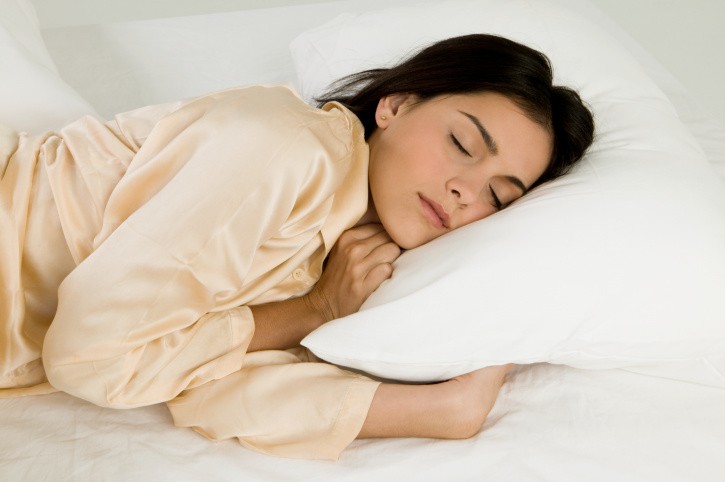
Get Enough Sleep


"Your body has to have enough time to rest," says Michael Fleming, MD, president of the American Academy of Family Physicians (AAFP). Otherwise, he says you may find yourself feeling cranky and tired.

This may sound like common sense, but according to the National Sleep Foundation (NSF), more than two-thirds of older adults suffer from sleep problems and many American adults don't get the minimum amount of shuteye needed to stay alert.

Sleep is vital to good health and to mental and emotional well-being. The NSF reports that people who don't get enough slumber are more likely than others to develop psychiatric problems and to use health care services. Plus, sleep deprivation can negatively affect memory, learning, and logical reasoning.

Not enough ZZZs can also be hazardous. More than one-half of adult drivers -- some 100 million people -- say they have driven drowsy in the past year, according to NSF polls. About one out of five of these drivers -- 32 million people -- say they've fallen asleep while driving.

Each year drowsy driving causes more than 100,000 car crashes, 1,500 deaths, and tens of thousands of injuries, reports the National Highway Traffic Safety Administration. The NSF recommends taking a 15 to 20 minute nap. Because it takes about 30 minutes for the caffeine to work, taking a nap while you wait for the caffeine to kick in can help restore alertness.

To avoid the pitfalls of insufficient sleep, make sure to get at least seven to 10 hours of slumber each night. Kids need more sleep, depending on their age.
Read more »

Eat Breakfast Every Morning


Breakfast eaters are champions of good health. Research shows people who have a morning meal tend to take in more vitamins and minerals, and less fat and cholesterol. The result is often a leaner body, lower cholesterol count, and less chance of overeating.

"That one act [of eating breakfast] seems to make a difference in people's overall weight," says Melinda Johnson, RD, a spokeswoman for the American Dietetic Association (ADA). She says breakfast can hold off hunger pangs until lunchtime and make high-calorie vending machine options less enticing.

Not only that, researchers at the 2003 American Heart Association conference reported that breakfast eaters are significantly less likely to be obese and get diabetes compared with nonbreakfast eaters.

Another study in the International Journal of Food Science and Nutrition showed that people who consumed breakfast cereal every day reported feeling better both physically and mentally than those who rarely ate cereal in the morning.

For kids, breakfast appears to enhance alertness, attention, and performance on standardized achievement tests, reports the ADA.

To get the full benefits of breakfast, the Mayo Clinic recommends a meal with carbohydrates, protein, and a small amount of fat. They say that because no single food gives you all of the nutrients you need, eating a variety of foods is essential to good health.

Yet, even with so much scientific support that breakfast does the body good; many people still make excuses not to eat in the morning. They include not having enough time and not feeling hungry. For these people, Johnson suggests tailoring breakfast to the day.

"When I'm getting ready in the morning, I don't really want to take the time to eat breakfast because that would mean sacrificing sleep," says Johnson. "So I bring my breakfast with me, and I know I have an hour when I'm reading emails in the office when I can eat it. By that time, I'm hungry because I've been up for almost a couple of hours."
Read more »

 
Cheap Web Hosting | Top Web Hosts | Great HTML Templates from easytemplates.com.